From royal courts to resilient rebirth
As your bus moves between palace squares, parks and riverbanks, you see how Warsaw’s past and present speak to each other in stone, green space, and skyline.
Table of Contents
Early settlement & rise of Warsaw
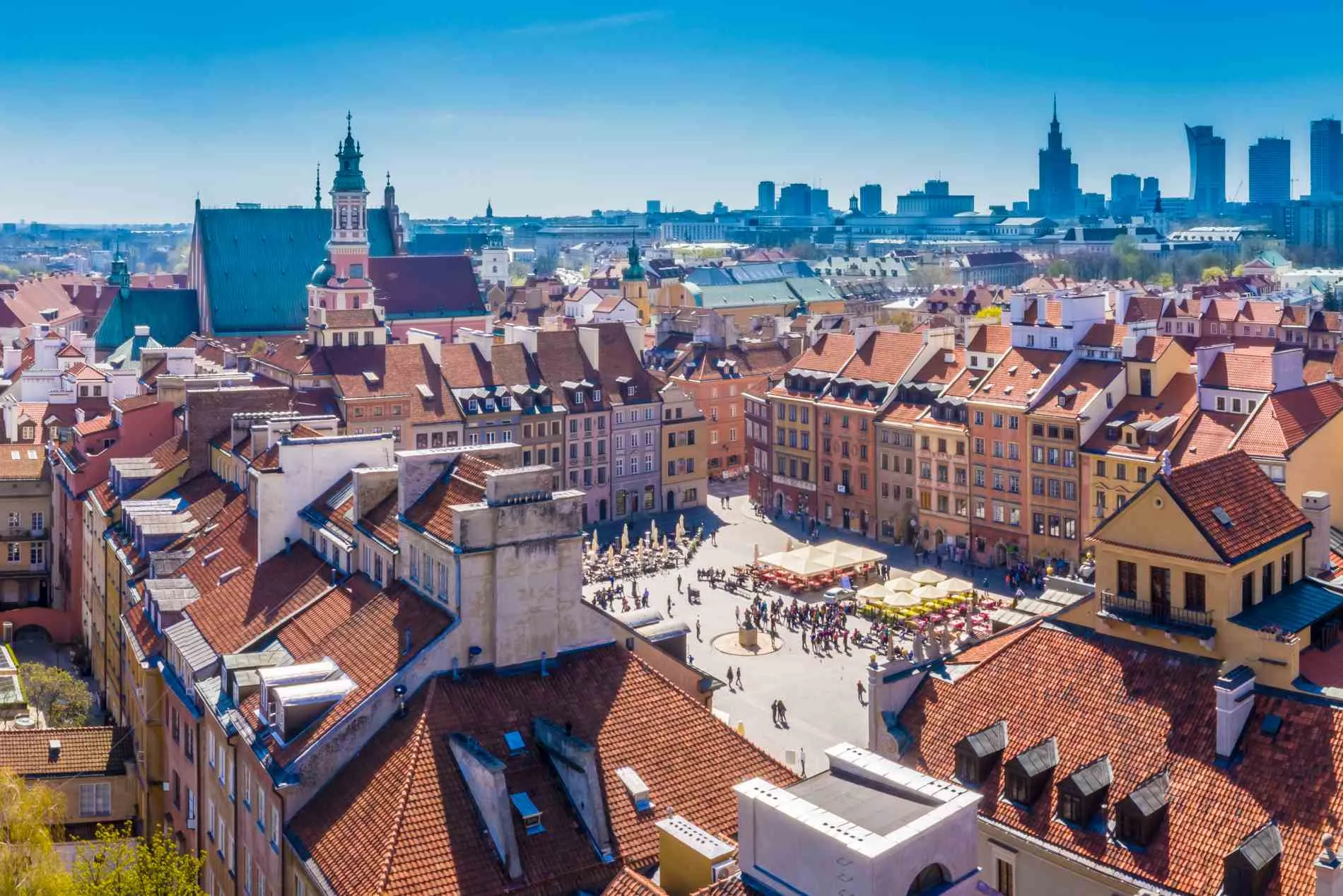
Long before grand palaces and broad avenues, the Vistula river shaped where communities settled and traded. Warsaw began as a modest market settlement on river terraces, its fortunes tied to trade routes that moved grain, timber and goods north and south. The city’s name enters written history in the Middle Ages, growing steadily as merchants and craftsmen made the riverside a hub of commerce.
In 1596, when King Sigismund III Vasa moved the Polish capital from Kraków to Warsaw, the city began a deliberate transformation: palaces rose along what would become the Royal Route, noble residences gathered around the castle hill, and the civic footprint expanded. This act set Warsaw on a path to becoming the political and cultural heart of the Polish‑Lithuanian Commonwealth.
Old Town & the Royal Route
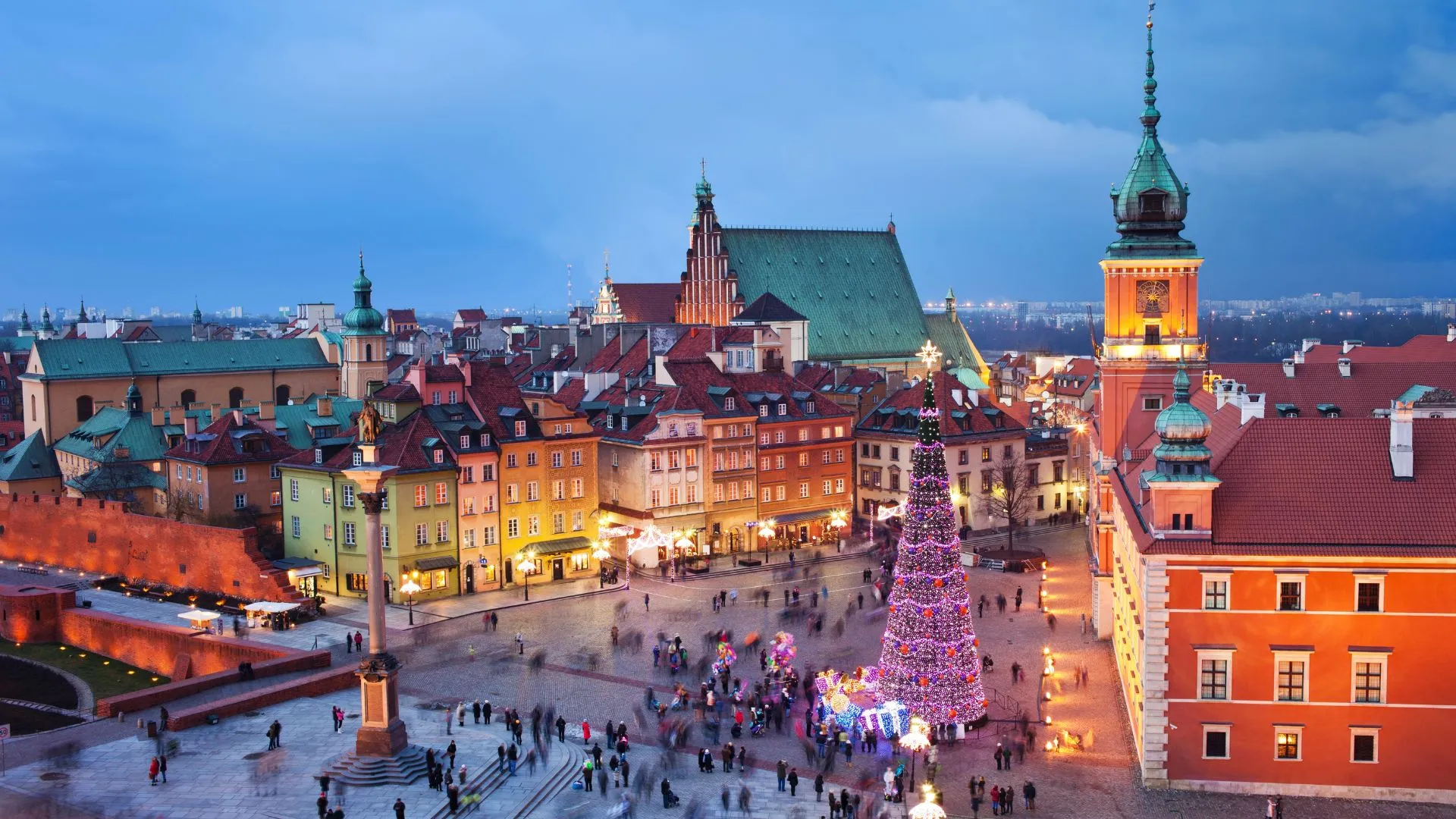
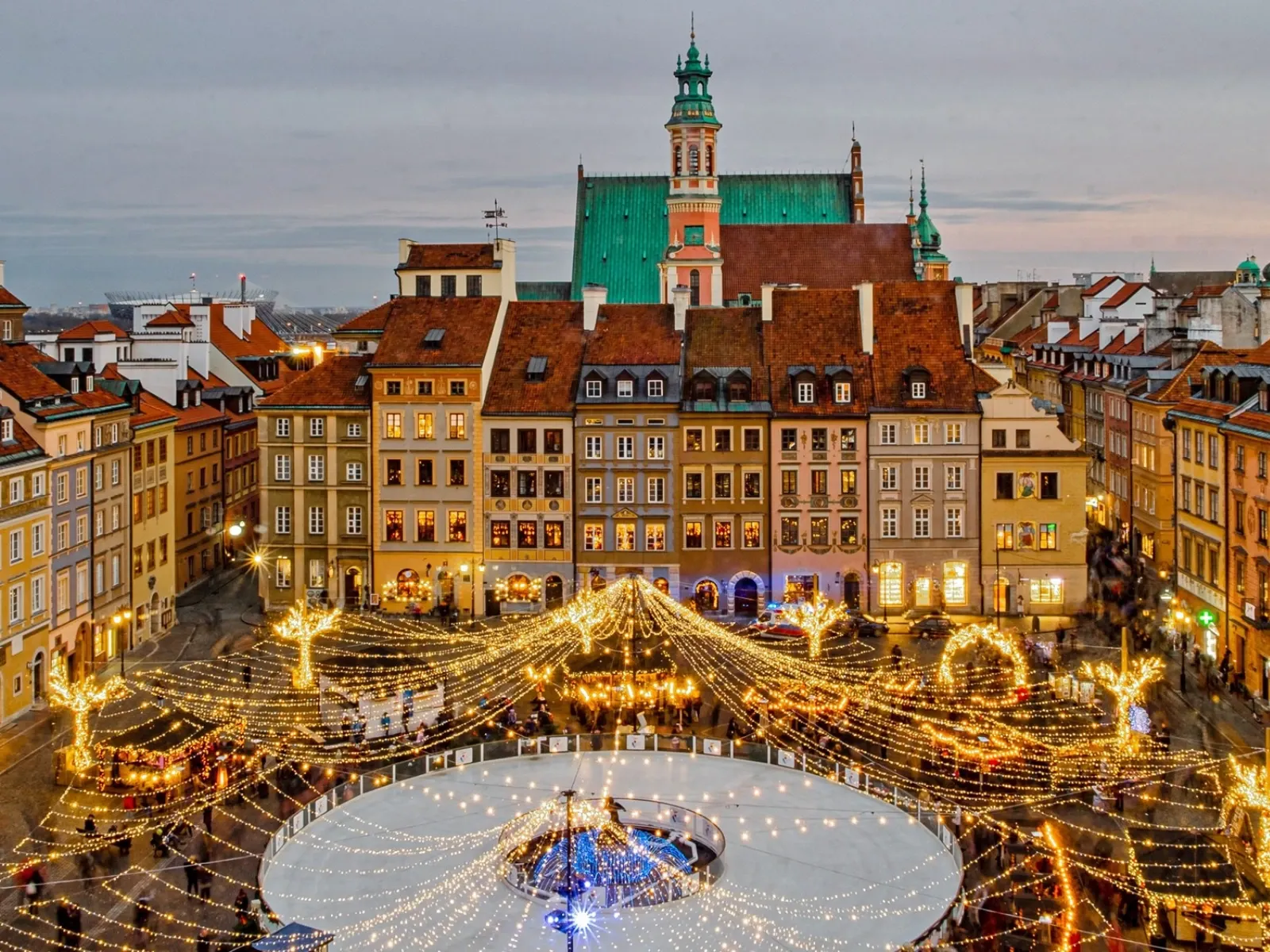
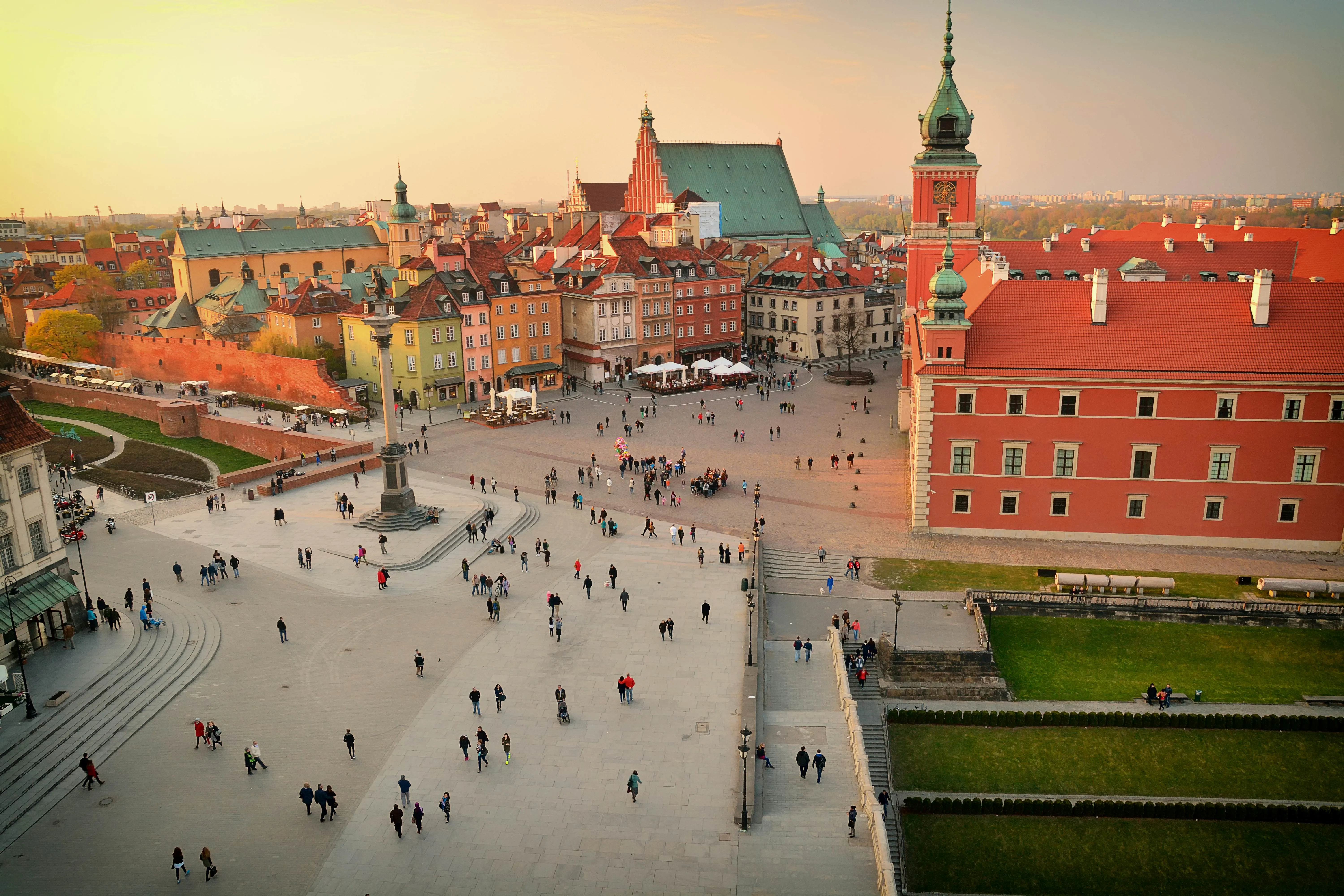
The Old Town appears compact from the bus: narrow lanes, colourful townhouses, and the Royal Castle anchoring the hill above the square. Much of what you see is the result of painstaking post‑war reconstruction—the Old Town was almost entirely rebuilt from the rubble after 1945, based on paintings, plans, and archival sources to return life and scale to a lost urban core.
Walking the Market Square, you encounter layers of history: medieval plots, Baroque façades, and a modern city that chose to repair and remember rather than erase. Hop off here to visit cobbled streets, artisan stalls, and the castle museum—each step highlights decisions about memory, identity, and the costs of rebuilding a national capital.
Markets, guilds & river trade
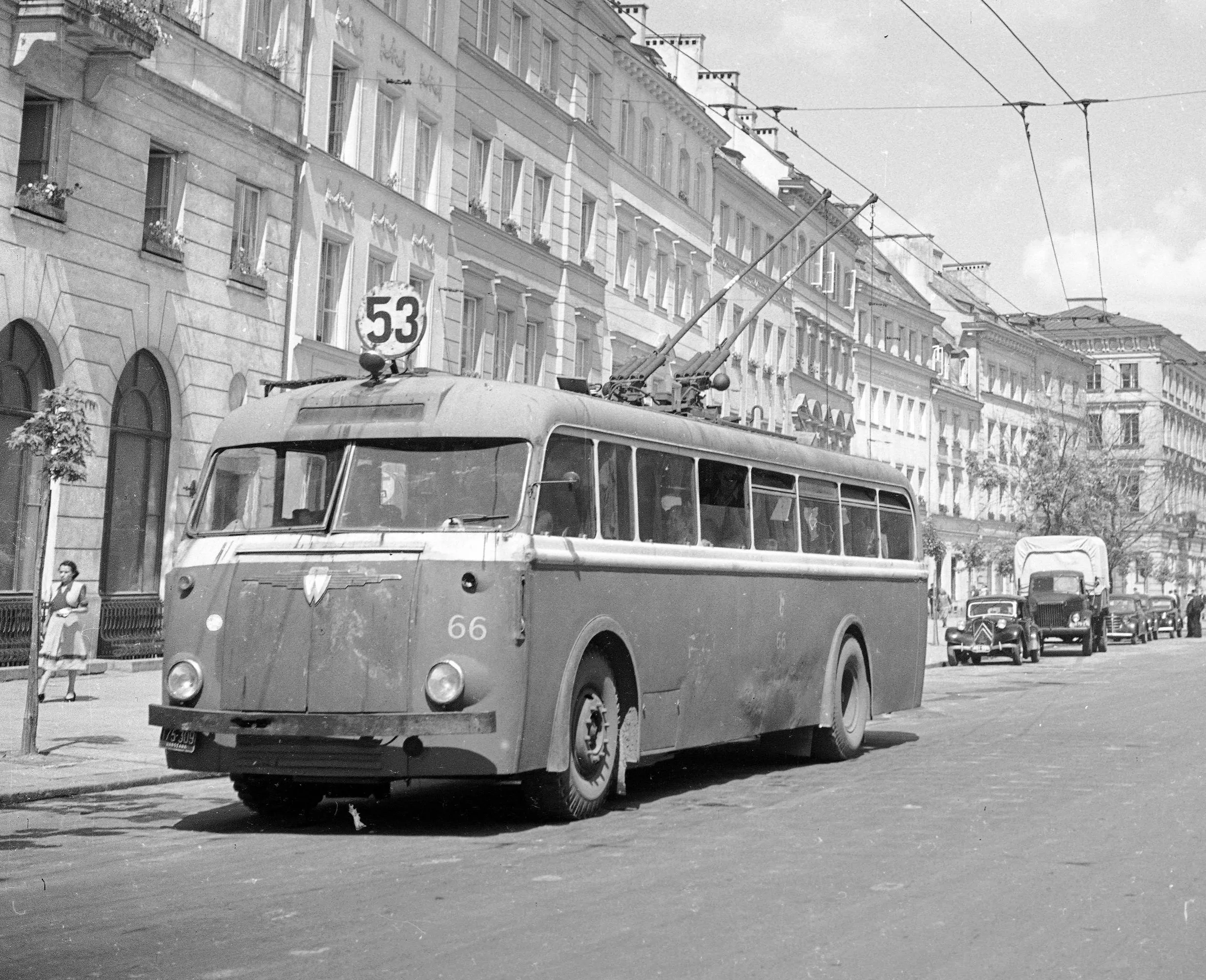
Warsaw’s location on the Vistula made it a natural trading point. Historic markets and craft guilds shaped the city’s early economy, and traces of this mercantile past remain in street names, church patronage, and the placement of civic buildings. From your seat on the bus, you can imagine the flow of barges and wagons moving grain and goods toward the Baltic and beyond.
Hop off to explore neighborhoods where small workshops once clustered—potters, coopers, and textile makers left marks on the urban fabric that later centuries layered over. Today’s riverside promenades echo that commerce with cafes, cultural venues, and piers that invite a slower look at the water that helped build the city.
Praga, the river and port life
Cross the river and you enter Praga, a district with a different, rougher energy. Historically more working‑class and industrial, Praga preserves a trove of pre‑war tenement architecture, eclectic churches, and a growing creative scene in repurposed industrial spaces.
On warm days, the Vistula boulevards hum with activity: cyclists, families, and pop‑up food stands. The bus’s riverside stops are an excellent way to sample both sides of Warsaw—one bank polished by restored facades, the other showing the city’s raw, authentic edges and promising cultural reinvention.
Palaces, parks & royal tastes
Łazienki Park, Wilanów Palace, and the green lungs along the Royal Route reveal how Warsaw’s elites shaped spaces for display and leisure. The baroque Wilanów Palace offers a quieter, formal landscape, while Łazienki’s tree‑lined alleys, sculptures, and Chopin’s monument create a living stage for concerts and summer promenades.
These parks are places to pause—listen for piano music, watch locals feed ducks, and let the contrast between formal palace gardens and urban bustle sink in. They’re natural hop‑off points for a relaxed few hours away from the bus route’s main arteries.
Partitions, uprisings & national identity
Warsaw’s story in the 18th and 19th centuries is shaped by partitions and resistance. As Poland’s territories were divided among neighboring empires, Warsaw remained a focal point for nationalist movements and uprisings that asserted cultural identity and political aims—events that are commemorated across the city in monuments and plaques.
The bus passes memorials and streets that carry these memories. Museums and small markers tell stories of individuals and collective struggles, giving nuance to stops that on the surface might seem only picturesque or formal.
War, destruction & the Uprising
The 20th century brought catastrophe: Warsaw suffered immense destruction during WWII and the brutal suppression of the 1944 Uprising. Whole neighborhoods were razed, and an estimated large portion of the city lay in ruins by war’s end. Visiting the Uprising Museum or walking parts of the Old Town makes this scale of loss painfully visible—and underscores the national effort to remember and honor those who resisted.
Your bus route threads memorial sites and reconstructed blocks, offering moments of reflection amid sightseeing. Expect a mix of visible scars and carefully restored facades; both are part of Warsaw’s memory work.
Post‑war reconstruction & socialist imprint
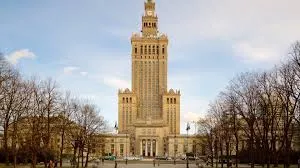
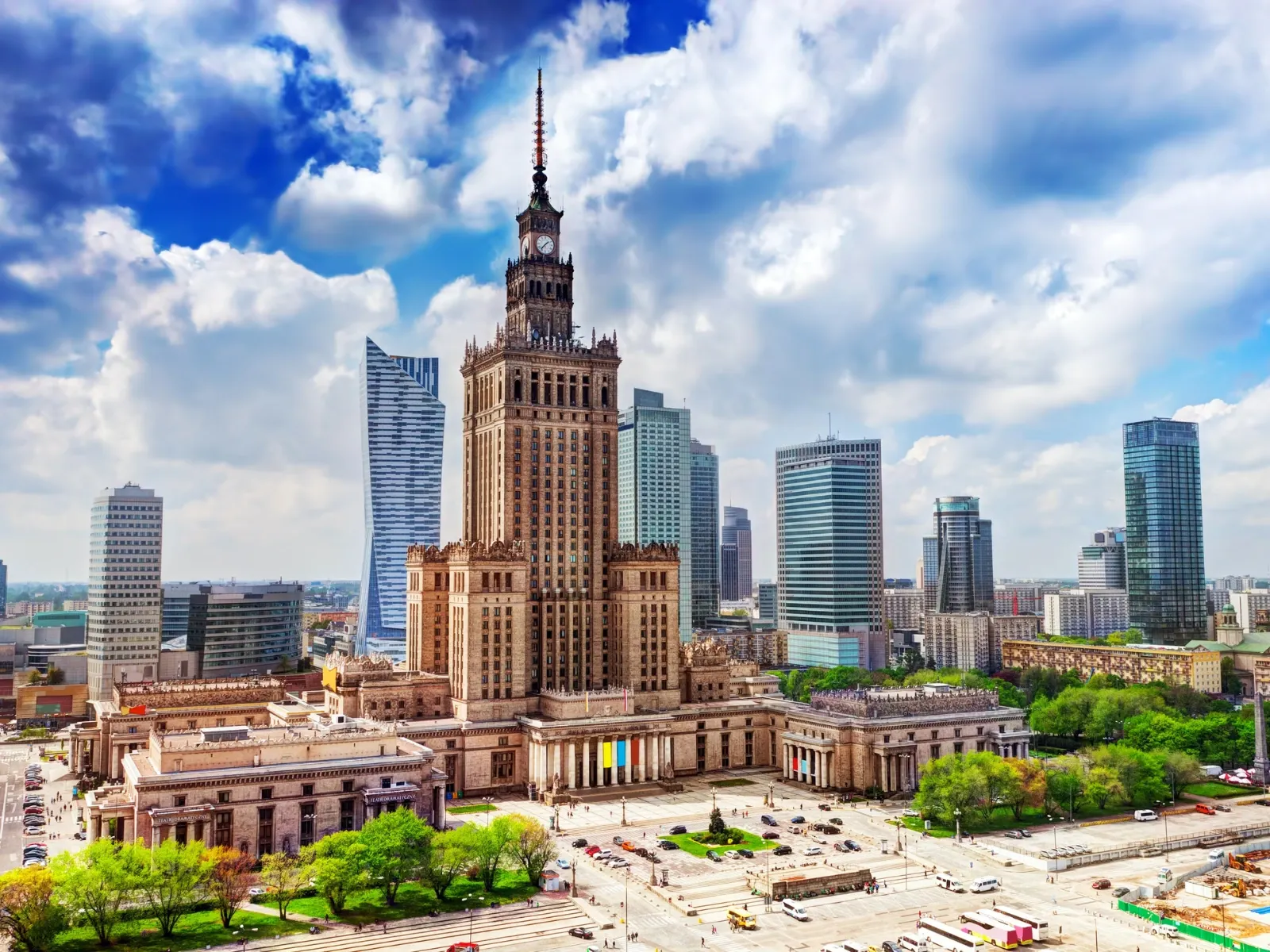
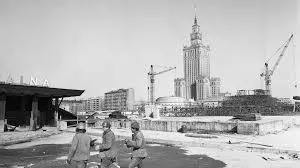
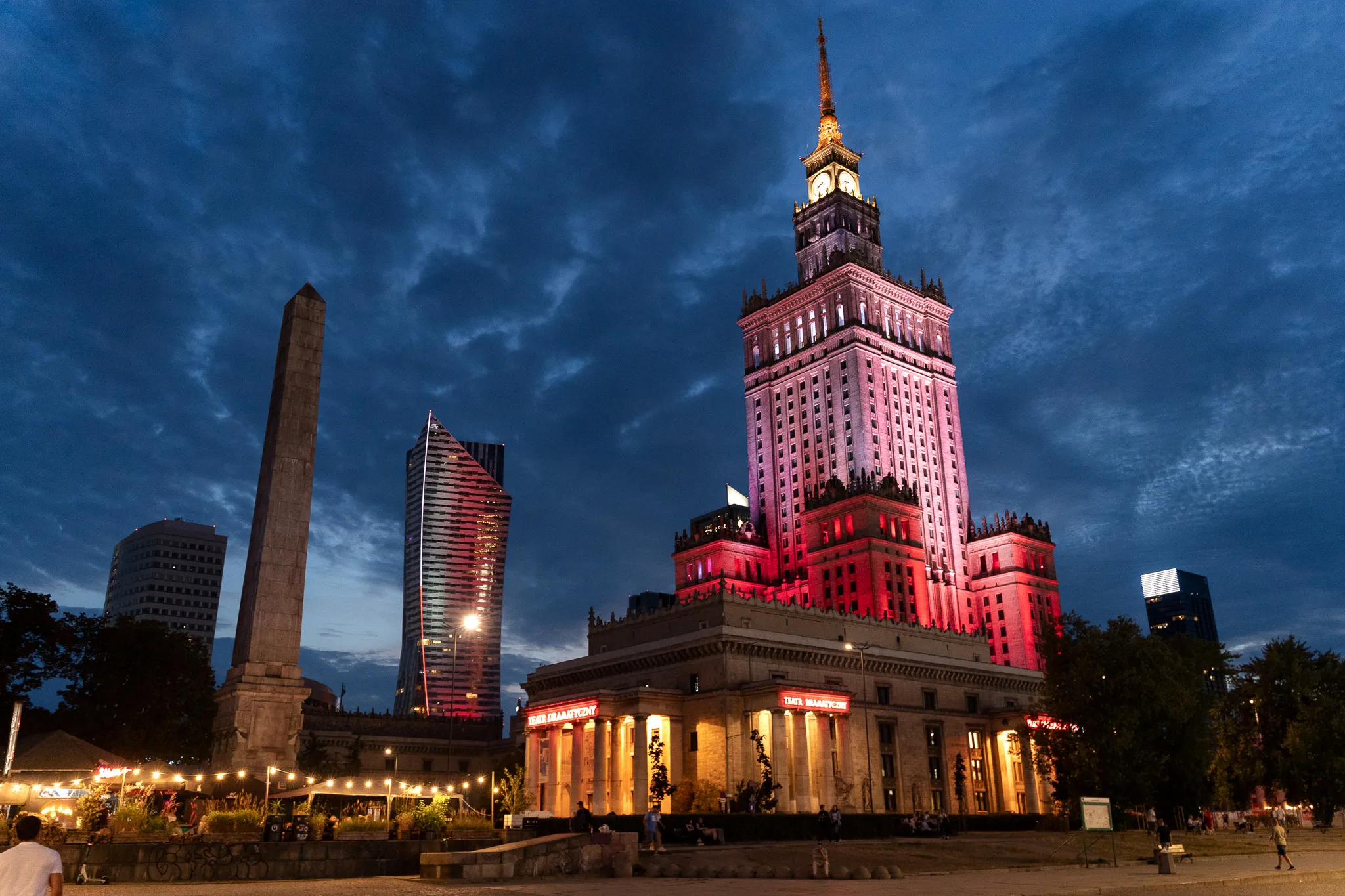
After the war, Warsaw’s reconstruction was a conscious act of rebuilding not just buildings but identity. Some areas were rebuilt to recreate pre‑war streets, while others were reshaped by the architectural imperatives of the post‑war era. The Palace of Culture and Science, a Soviet‑era gift, now sits as a controversial but unmistakable landmark in the skyline.
As you travel, you’ll notice the juxtaposition of reconstructed Old Town blocks, Stalinist avenues, and modern glass towers—this patchwork is very much the visual language of the city today.
Cultural life, music & festivals
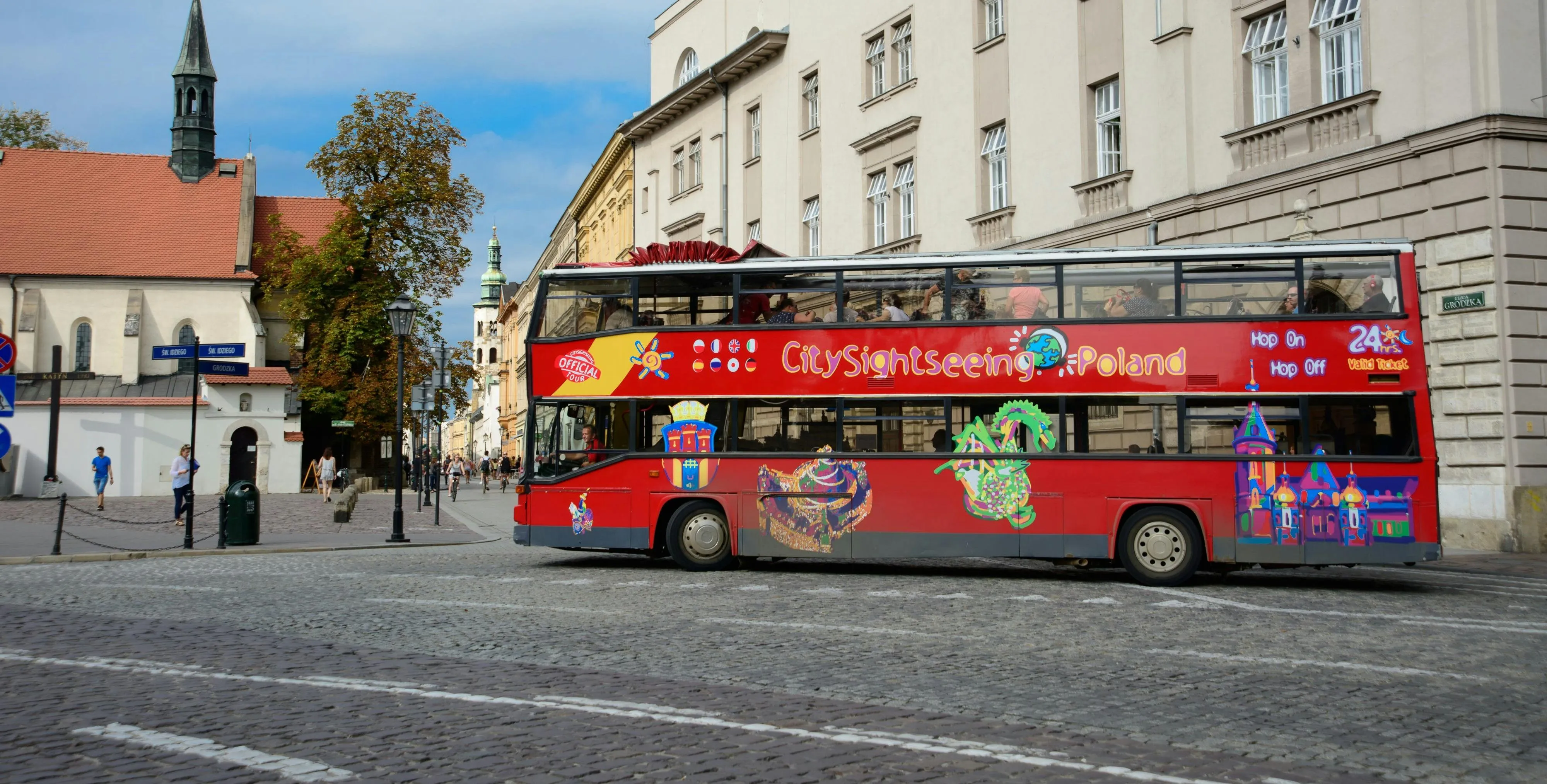
Warsaw’s calendar is rich with music, film, and cultural festivals. Chopin recitals, contemporary music events, and summer arts festivals animate public spaces that the bus conveniently links. These events offer another lens on the city beyond monuments—people meet, celebrate, and reinterpret traditions in public squares and parks.
Even ordinary days bring small pleasures: impromptu street performances, market stalls, and open‑air exhibitions that reward the curious traveler who hops off and wanders.
Modern museums & memorials
From the Warsaw Uprising Museum to POLIN Museum of the History of Polish Jews and the Copernicus Science Centre, Warsaw’s museums offer deep, often challenging narratives that complement the visual sweep of a bus route. Many stops are within short walks of major institutions, making it easy to pair a museum visit with time on the bus.
Plan your hop‑offs with museum opening times in mind; some of the most important collections require several hours to appreciate fully, so use the bus to move between neighborhoods rather than trying to see everything at once.
Conservation & careful restoration
Preserving Warsaw’s heritage is an active project: scaffolding, conservation labs, and restoration programs are common sights. Specialists work with archival material to recreate façades and interiors, and this commitment to memory is a distinctive feature of the city’s post‑war identity.
Supporting official museums and guided tours helps maintain this work—responsible tourism channels funds into projects that keep urban fabric intact and accessible for future generations.
Side trips, green lungs & viewpoints
Use the bus to reach green escapes: riverside promenades, Łazienki Park, and the gardens of Wilanów provide calm interludes from city streets. Small side trips—an island walk on the Vistula or a tram to a hilltop viewpoint—reward those who want a broader sense of place.
On clear days, climb a tower or cross a bridge for wide views of Warsaw’s stitched‑together skyline: reconstructed Old Town roofs, rows of post‑war apartment blocks, and modern towers clustered in business districts.
Why a bus ride reveals Warsaw’s layers
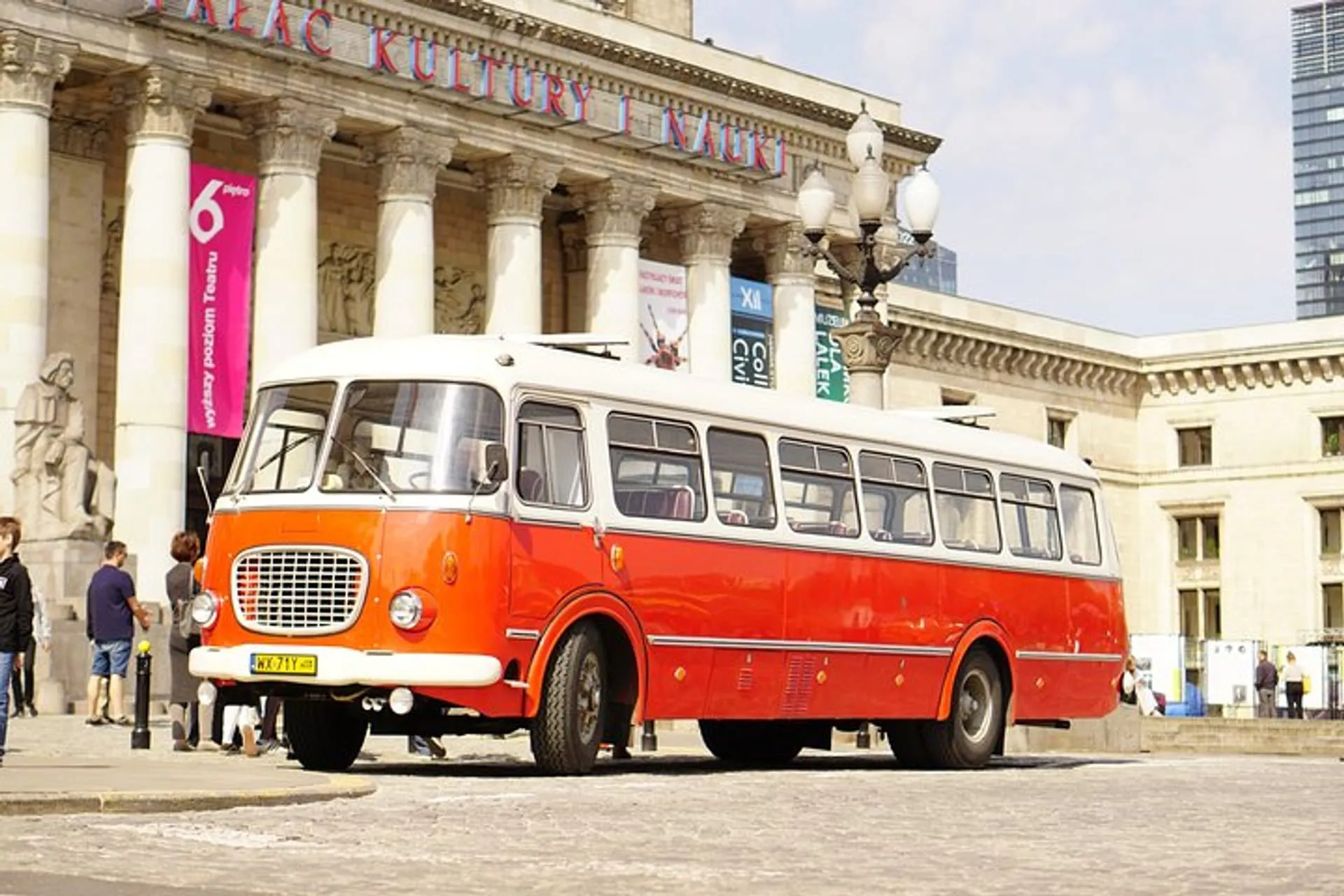
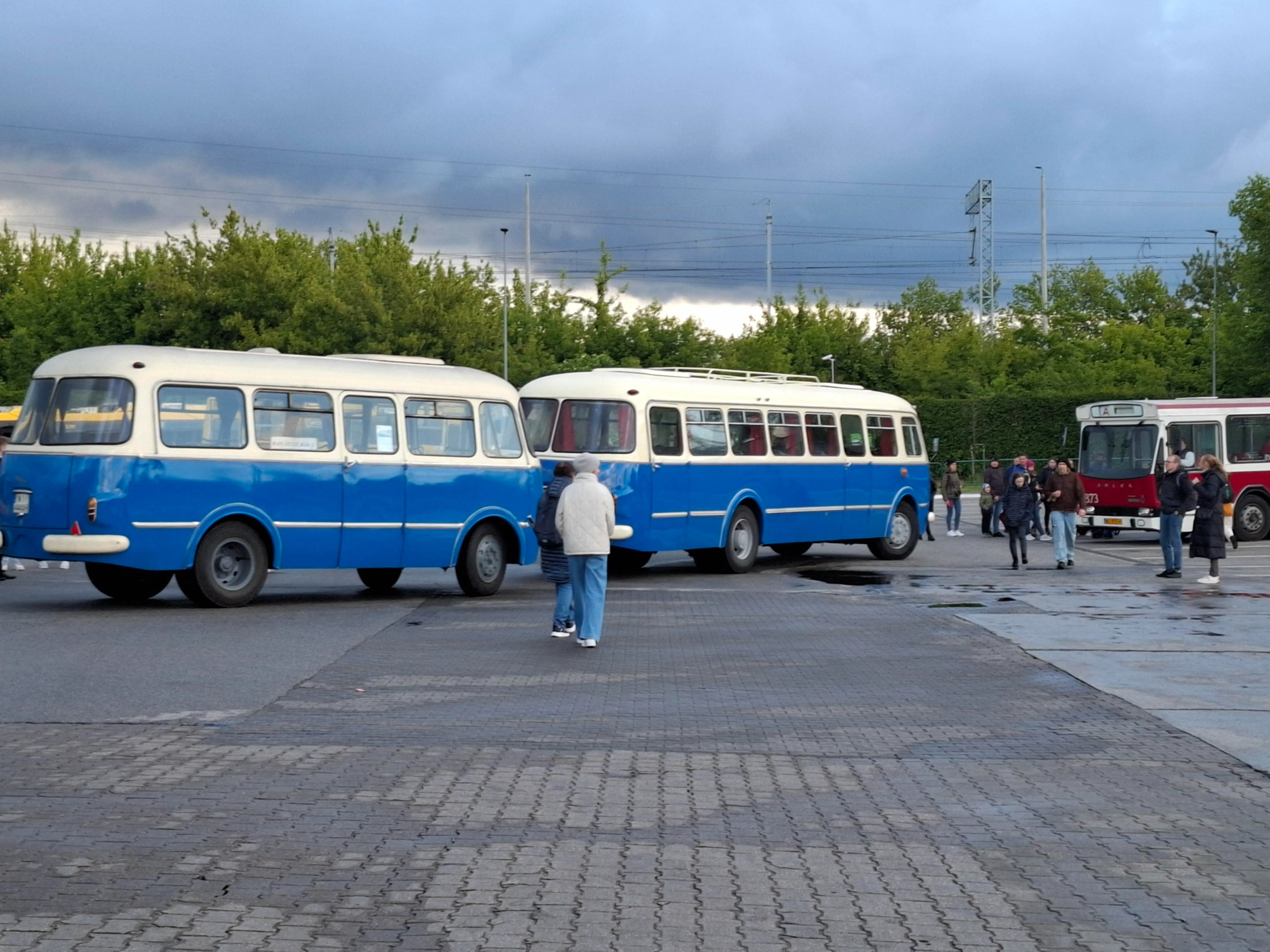
A hop‑on hop‑off bus in Warsaw is more than transport; it’s a narrative device. The route stitches together royal courts, wartime scars, parks and modern developments so you can see how the city remained continuous despite rupture and renewal.
By the time your day ends, you’ll have a map of contrasts in your head—palaces beside apartment blocks, parks beside memorials—that together tell the story of a city that rebuilt itself with care and determination.
Table of Contents
Early settlement & rise of Warsaw
Long before grand palaces and broad avenues, the Vistula river shaped where communities settled and traded. Warsaw began as a modest market settlement on river terraces, its fortunes tied to trade routes that moved grain, timber and goods north and south. The city’s name enters written history in the Middle Ages, growing steadily as merchants and craftsmen made the riverside a hub of commerce.
In 1596, when King Sigismund III Vasa moved the Polish capital from Kraków to Warsaw, the city began a deliberate transformation: palaces rose along what would become the Royal Route, noble residences gathered around the castle hill, and the civic footprint expanded. This act set Warsaw on a path to becoming the political and cultural heart of the Polish‑Lithuanian Commonwealth.
Old Town & the Royal Route
The Old Town appears compact from the bus: narrow lanes, colourful townhouses, and the Royal Castle anchoring the hill above the square. Much of what you see is the result of painstaking post‑war reconstruction—the Old Town was almost entirely rebuilt from the rubble after 1945, based on paintings, plans, and archival sources to return life and scale to a lost urban core.
Walking the Market Square, you encounter layers of history: medieval plots, Baroque façades, and a modern city that chose to repair and remember rather than erase. Hop off here to visit cobbled streets, artisan stalls, and the castle museum—each step highlights decisions about memory, identity, and the costs of rebuilding a national capital.
Markets, guilds & river trade
Warsaw’s location on the Vistula made it a natural trading point. Historic markets and craft guilds shaped the city’s early economy, and traces of this mercantile past remain in street names, church patronage, and the placement of civic buildings. From your seat on the bus, you can imagine the flow of barges and wagons moving grain and goods toward the Baltic and beyond.
Hop off to explore neighborhoods where small workshops once clustered—potters, coopers, and textile makers left marks on the urban fabric that later centuries layered over. Today’s riverside promenades echo that commerce with cafes, cultural venues, and piers that invite a slower look at the water that helped build the city.
Praga, the river and port life
Cross the river and you enter Praga, a district with a different, rougher energy. Historically more working‑class and industrial, Praga preserves a trove of pre‑war tenement architecture, eclectic churches, and a growing creative scene in repurposed industrial spaces.
On warm days, the Vistula boulevards hum with activity: cyclists, families, and pop‑up food stands. The bus’s riverside stops are an excellent way to sample both sides of Warsaw—one bank polished by restored facades, the other showing the city’s raw, authentic edges and promising cultural reinvention.
Palaces, parks & royal tastes
Łazienki Park, Wilanów Palace, and the green lungs along the Royal Route reveal how Warsaw’s elites shaped spaces for display and leisure. The baroque Wilanów Palace offers a quieter, formal landscape, while Łazienki’s tree‑lined alleys, sculptures, and Chopin’s monument create a living stage for concerts and summer promenades.
These parks are places to pause—listen for piano music, watch locals feed ducks, and let the contrast between formal palace gardens and urban bustle sink in. They’re natural hop‑off points for a relaxed few hours away from the bus route’s main arteries.
Partitions, uprisings & national identity
Warsaw’s story in the 18th and 19th centuries is shaped by partitions and resistance. As Poland’s territories were divided among neighboring empires, Warsaw remained a focal point for nationalist movements and uprisings that asserted cultural identity and political aims—events that are commemorated across the city in monuments and plaques.
The bus passes memorials and streets that carry these memories. Museums and small markers tell stories of individuals and collective struggles, giving nuance to stops that on the surface might seem only picturesque or formal.
War, destruction & the Uprising
The 20th century brought catastrophe: Warsaw suffered immense destruction during WWII and the brutal suppression of the 1944 Uprising. Whole neighborhoods were razed, and an estimated large portion of the city lay in ruins by war’s end. Visiting the Uprising Museum or walking parts of the Old Town makes this scale of loss painfully visible—and underscores the national effort to remember and honor those who resisted.
Your bus route threads memorial sites and reconstructed blocks, offering moments of reflection amid sightseeing. Expect a mix of visible scars and carefully restored facades; both are part of Warsaw’s memory work.
Post‑war reconstruction & socialist imprint
After the war, Warsaw’s reconstruction was a conscious act of rebuilding not just buildings but identity. Some areas were rebuilt to recreate pre‑war streets, while others were reshaped by the architectural imperatives of the post‑war era. The Palace of Culture and Science, a Soviet‑era gift, now sits as a controversial but unmistakable landmark in the skyline.
As you travel, you’ll notice the juxtaposition of reconstructed Old Town blocks, Stalinist avenues, and modern glass towers—this patchwork is very much the visual language of the city today.
Cultural life, music & festivals
Warsaw’s calendar is rich with music, film, and cultural festivals. Chopin recitals, contemporary music events, and summer arts festivals animate public spaces that the bus conveniently links. These events offer another lens on the city beyond monuments—people meet, celebrate, and reinterpret traditions in public squares and parks.
Even ordinary days bring small pleasures: impromptu street performances, market stalls, and open‑air exhibitions that reward the curious traveler who hops off and wanders.
Modern museums & memorials
From the Warsaw Uprising Museum to POLIN Museum of the History of Polish Jews and the Copernicus Science Centre, Warsaw’s museums offer deep, often challenging narratives that complement the visual sweep of a bus route. Many stops are within short walks of major institutions, making it easy to pair a museum visit with time on the bus.
Plan your hop‑offs with museum opening times in mind; some of the most important collections require several hours to appreciate fully, so use the bus to move between neighborhoods rather than trying to see everything at once.
Conservation & careful restoration
Preserving Warsaw’s heritage is an active project: scaffolding, conservation labs, and restoration programs are common sights. Specialists work with archival material to recreate façades and interiors, and this commitment to memory is a distinctive feature of the city’s post‑war identity.
Supporting official museums and guided tours helps maintain this work—responsible tourism channels funds into projects that keep urban fabric intact and accessible for future generations.
Side trips, green lungs & viewpoints
Use the bus to reach green escapes: riverside promenades, Łazienki Park, and the gardens of Wilanów provide calm interludes from city streets. Small side trips—an island walk on the Vistula or a tram to a hilltop viewpoint—reward those who want a broader sense of place.
On clear days, climb a tower or cross a bridge for wide views of Warsaw’s stitched‑together skyline: reconstructed Old Town roofs, rows of post‑war apartment blocks, and modern towers clustered in business districts.
Why a bus ride reveals Warsaw’s layers
A hop‑on hop‑off bus in Warsaw is more than transport; it’s a narrative device. The route stitches together royal courts, wartime scars, parks and modern developments so you can see how the city remained continuous despite rupture and renewal.
By the time your day ends, you’ll have a map of contrasts in your head—palaces beside apartment blocks, parks beside memorials—that together tell the story of a city that rebuilt itself with care and determination.